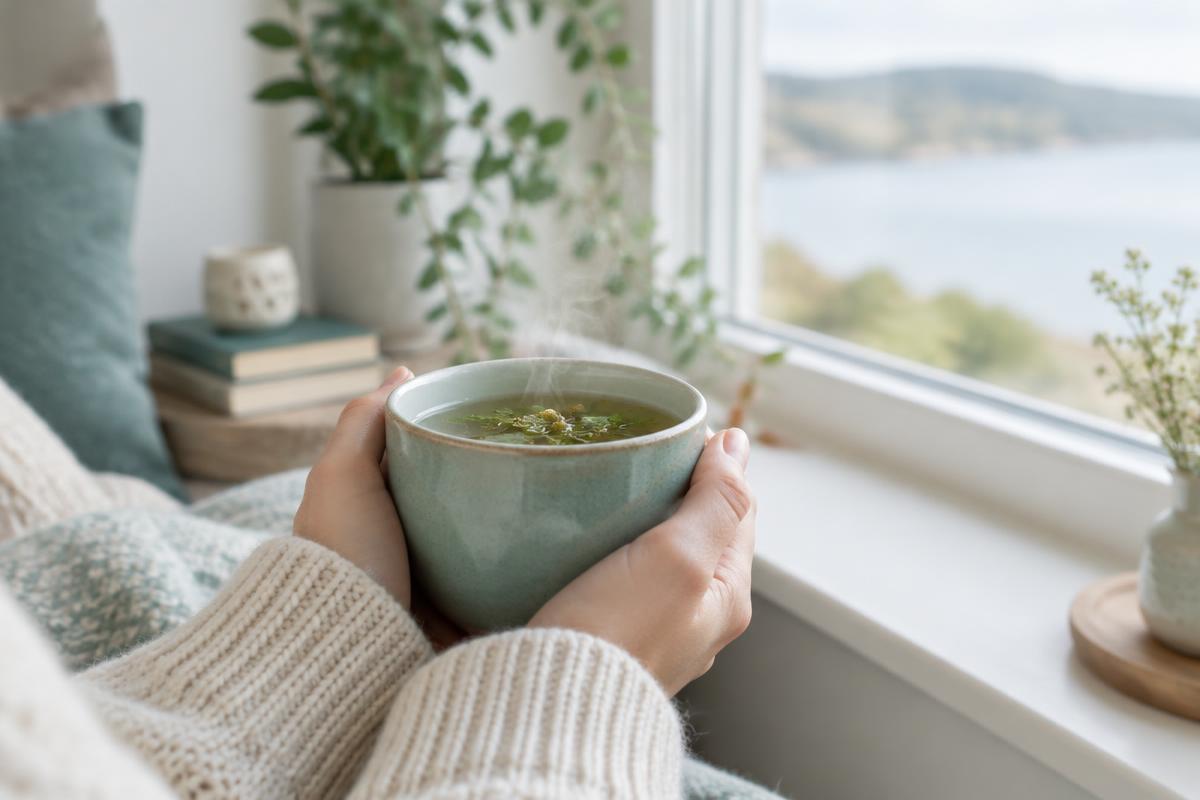
1. Breathe slowly
Slow breathing is quick, free and portable. Breathe in gently through your nose and out slowly through your mouth, and let your shoulders drop. The NHS has a simple version in its guide to breathing exercises for stress.
2. Take a short break
Mind suggests that even a few minutes away from a stressful task can help. Step outside, make a drink or look out of a window.
3. Let your muscles go
Tensing and then releasing each muscle group in turn is a well-known way to ease physical tension. See our guide to progressive muscle relaxation.
4. Try a body scan
A body scan moves your attention slowly through your body, noticing where you hold tension. Our body scan guide walks you through it.
5. Move gently
Gentle exercise can help you relax too. Try a few stretches to release tension, or take a walk at your own pace.
6. Spend time outside
Mind notes that time in green spaces has been found to reduce stress, anxiety and depression. Even a short walk in a park counts.
7. Use a calm picture
Imagining a calm place can help your body settle. Our guide to guided visualisation shows how.
8. Step away from screens
Heavy phone or computer use can make you feel busier and more stressed. Try putting devices down for a while, especially before bed.
Why is it hard to relax when you are stressed?
When you are stressed, your body is working as if it needs to cope with a threat: your breathing and heartbeat can speed up and your muscles tighten. Telling yourself to relax rarely works, because the signal has to come from the body as well as the mind.
That is why the most reliable methods start with something physical: slowing your breathing, letting your muscles go or moving gently. Once your body settles, your thoughts often follow.
Is scrolling on your phone the same as relaxing?
Not usually. Scrolling can feel like a break, but Mind notes that heavy phone or computer use can add to feeling busy and stressed. Real relaxation tends to involve slowing down and giving your attention to something calm, such as your breathing, a walk, music or a hobby you enjoy.
It is fine to enjoy your phone. If you notice you finish a scrolling break feeling more wound up, try swapping part of it for one of the methods on this page.
Which method should you start with?
You do not need to do all nine. Choose by what you notice. If your body feels tight, try progressive muscle relaxation. If your mind is racing, try counted slow breathing. If you cannot get to sleep, try a body scan in bed. If you only have a minute, take five slow breaths with a longer breath out.
Give one method a fair try for a week before deciding it does not work for you. Most people find that one or two suit them better than the rest.
How can you fit relaxation into a normal day?
Short, regular moments work better than one long session you never get round to. In the morning, take three slow breaths before you pick up your phone. At midday, step away from your screen for five minutes and walk outside if you can. In the evening, put devices down and do a few minutes of gentle stretching or an unwind routine.
Linking relaxation to something you already do makes it easier to remember: breathing while the kettle boils, or dropping your shoulders each time you sit down at your desk.
What if relaxing makes you feel worse?
Some people feel restless, or notice worries more, when they first slow down. That is common, because there is less to distract you. Start with one or two minutes, keep your eyes open if closing them feels uncomfortable, and build up gradually.
If relaxation exercises make you feel distressed, or you feel anxious or low most days, stop and speak to your GP. In England you can also refer yourself to NHS talking therapies.
9. Talk to someone, or learn a method such as sophrology
Talking to someone you trust helps, and the NHS lists it as a first step for stress. If you would like a method you can learn and repeat, sophrology combines breathing, gentle movement and visualisation. You can find a sophrologist near you.
Common questions
What is the fastest way to relax?
Slow breathing with a longer breath out is the quickest for most people. Breathe in gently for a count of about four and out for about six, for a few minutes.
How long does it take to feel relaxed?
Some people feel calmer within a few minutes of slow breathing. Others need regular practice over days or weeks. Both are normal.
Is relaxing the same as meditation?
They overlap. Meditation is usually still and focused on attention. Relaxation methods include breathing, muscle release, gentle movement and visualisation. See sophrology vs meditation.
Can relaxing help with physical symptoms of stress?
It can ease some of them, such as muscle tension and a racing feeling, and help you sleep. Physical symptoms can have other causes, so speak to your GP if they are severe, new or lasting.
How often should I practise?
A few minutes every day is better than a long session once a week. Pick a time you can keep, such as before bed.