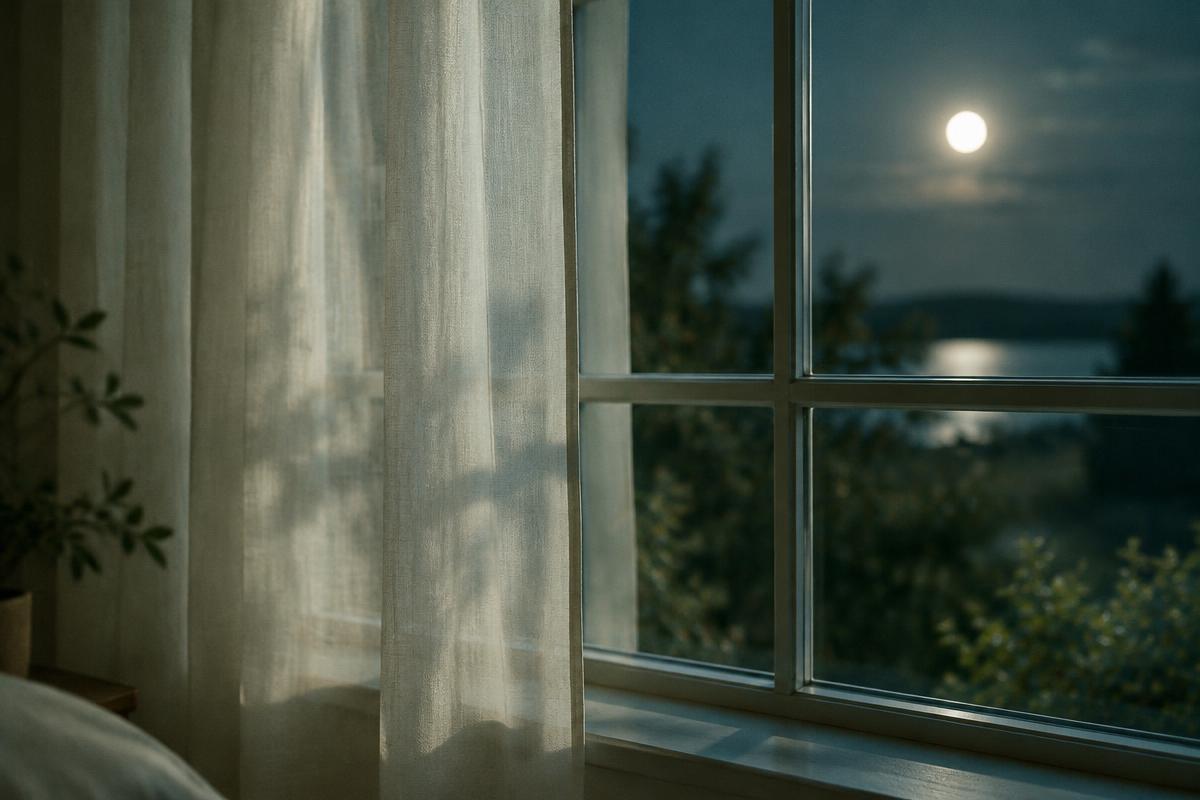
A ten-minute sophrology-style wind-down routine
- 1
Dim the lights and put your phone out of reach. Sit on the edge of your bed or lie down, whichever is more comfortable.
- 2
Breathe in slowly through your nose, then out slowly through your mouth, ten times. Let each breath out be a little longer than the breath in.
- 3
Move your attention slowly from your feet to the top of your head. At each part, breathe out and let it feel heavier. There is no need to try to relax, only to notice and let go a little.
- 4
Picture somewhere calm for a few minutes: a quiet beach, a woodland path or a warm room. Notice the colours, the sounds and the feel of the air.
- 5
Stay with your slow breathing and let yourself rest.
Why does an evening routine help you sleep?
Sleep comes more easily when your body gets a regular signal that the day is ending. The NHS suggests winding down without screens and doing something calm, such as reading or breathing exercises, before bed.
Sophrology is built around short, repeatable exercises, which is why it suits an evening routine.
What should you do if you do not fall asleep straight away?
That is normal, and the aim of the routine is to rest, not to force sleep. Stay with your slow breathing and let thoughts come and go. The NHS advice is that if you are still awake after around 20 minutes, you can get up, do something calm and go back to bed when you feel sleepy.
When should you speak to your GP about sleep?
See your GP if poor sleep goes on for weeks, if you snore loudly or wake gasping, or if tiredness is affecting your daily life. Sophrology is a relaxation method, not a treatment for a sleep disorder.
What might a sophrologist teach you for sleep?
A practitioner will usually start by asking about your sleep and what gets in the way. They might teach you a breathing and body awareness exercise for bedtime, a way to let go of the day, and a calm visualisation. You practise between sessions, so it becomes familiar.
What sleep basics should you not forget?
Relaxation helps most when the basics are in place. The NHS suggests keeping regular sleep and wake times, a calm, dark and cool bedroom, and avoiding caffeine, alcohol and smoking in the hours before bed. See relaxation techniques for better sleep.
How long does it take to notice a difference?
It varies. Some people feel more relaxed after the first few nights, others need a couple of weeks of regular practice. If your sleep has not improved after a few weeks, or you are worried, speak to your GP.
Where can you learn more?
A practitioner can teach you exercises matched to you and check you are comfortable with them. See what a session involves, try our wider guide to relaxation techniques for better sleep, or find a sophrologist near you.
Common questions
Can sophrology help with insomnia?
It can help some people wind down, but it is not a treatment for insomnia or other sleep disorders. If sleep problems continue for weeks, speak to your GP.
How long should I do the routine for?
About ten minutes is enough. You can do it in bed.
What if my mind keeps racing?
Bring your attention back to your slow breath each time, without judging yourself. Our article on stopping overthinking at night has more ideas.